
Pregnancy and early motherhood can cause temporary changes in vision, such as dryness, blurriness, or eye fatigue. Understanding eye health after pregnancy helps new mums protect their sight and stay comfortable. Discover what’s normal, when to seek help, and simple eye care tips to keep your vision clear and healthy after birth.
Two things always happen when a baby is born: life becomes busier, and a mother’s own health quietly takes a back seat. Yet clear, healthy vision is vital — not only for caring for a child but also for a woman’s overall well-being. From night feeds and endless to-do lists to keeping a watchful eye on a curious toddler, mothers rely heavily on their eyesight every single day.
Changes to Eye Health During Pregnancy
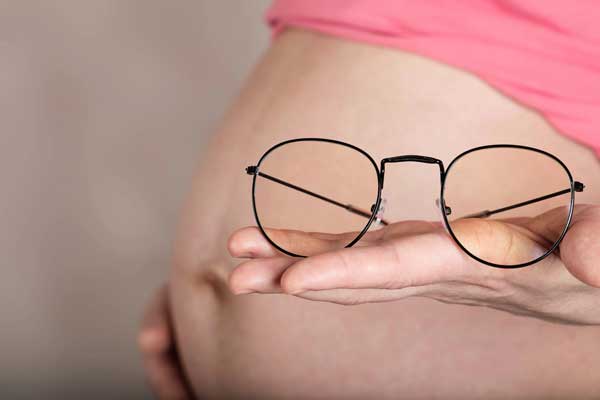
Pregnancy brings numerous changes to your body, including changes to your eyes. Most of these changes are temporary and nothing to worry about, but knowing what’s normal can help you feel more confident and in control.
One condition to be aware of is gestational diabetes, as it can affect the small blood vessels at the back of the eye and may worsen diabetic retinopathy (a condition that can impact sight). The reported risk varies significantly (from 1–24%), but the good news is that prevention and monitoring can go a long way. Maintaining stable blood sugar levels before and during pregnancy, and scheduling regular check-ups with your eye care professional (typically every three months), can help protect your vision. If anything feels different with your eyesight, mention it to your GP or optometrist — you’ll never be overreacting by checking.
Another common pregnancy side effect? Extra fluid retention — and not just in your hands and feet. Your eyes can also hold onto more fluid.
Fun fact: The cornea (the transparent front window of the eye) actually has oestrogen receptors. During pregnancy, these receptors signal the cornea to absorb more fluid, resulting in a slight increase in thickness — sometimes by 1–2%. Add in small fluid shifts inside the eye, and your glasses or contact lenses might suddenly feel “off,” or your vision may become a bit foggy or blurry. The reassuring news is that these changes usually settle down about six weeks after birth.
The key takeaway? Hold off on updating your glasses or contact lens prescription until after your vision has returned to normal postpartum — unless the changes are really getting in the way of daily life.
Eye Health After Birth: What Every Mother Should Know
Once your baby arrives, life becomes a beautiful blur of feeding, settling, snuggling, and simply finding your feet as a parent. With so much love (and laundry!) to juggle, it’s easy for your own health to slip down the priority list. But your eyes work incredibly hard during this stage, especially with broken sleep and a lot more “close-up” living, so a little care goes a long way.

Eye health tips for new mums
Here are three crucial eye health tips for mothers to keep in mind.
Dry Eye
Those early weeks often mean less sleep, more screen time (hello, late-night scrolling during feeds), and heating or air-con running constantly — a recipe for dry, irritated eyes. Post-birth hormonal changes can also affect tear production, making your eyes feel gritty or uncomfortable.
A few small habits can help:
- Try using lubricating eye drops to keep your eyes hydrated.
- If possible, consider placing a humidifier in your bedroom or feeding space.
- Give your eyes a mini “refresh” with a warm compress over closed lids.
- When using screens, try the 20-second blink rule to refresh your eyes.
Even tiny pockets of rest help your eyes recover — and support your mental health too.
Accidental Corneal Scratches
Babies and toddlers are adorable… but tiny hands with surprisingly sharp nails can do some damage. Whether it’s an excited grab for your glasses or a sudden poke to the eye, a scratched cornea is very painful (you’ll know about it instantly). The good news is that it usually heals quickly.
Sometimes, the scratch can reopen during sleep if the eyelid sticks to the healing surface — this is called recurrent corneal erosion syndrome, and it causes sharp pain when you first open your eyes in the morning. If you do get a scratch or suspect one, see your eye care professional for advice. Treatments like lubricating drops or ointment, a bandage contact lens, or laser smoothing can help prevent ongoing flare-ups.
Glasses and Swimming Lessons
Swimming lessons can be nerve-wracking enough without foggy glasses getting in the way. The humidity around indoor pools often causes lenses to mist up, and a moment’s distraction can be stressful — especially with a fearless little swimmer.
Anti-fog sprays or wipes can make a big difference, and some mums choose contact lenses for swimming days. If you’re ready for a longer-term solution, laser eye surgery now has minimal downtime and can offer years of freedom from glasses — one less thing to juggle when life is busy.
The Clear View Forward
Motherhood is full of joyful, exhausting, and unforgettable moments, but your vision doesn’t have to be one of the challenges. By investing in your eye health through regular check-ups, protective care, or vision correction, you give yourself the gift of clarity and confidence.
Seeing clearly means reacting quickly, living safely, and embracing the little moments that matter most — for you, and for your family.
Essential Details: PersonalEYES
- Locations:
- Pymble: G.02, 19 Ryde Road, Pymble
- Epping: Epping Eye Specialists Level 2, Suite 203, 3 Carlingford Road, Epping
- Castle Hill: Shop 225-233 Castle Mall, 4-16 Terminus Street, Castle Hill
- Parramatta: Rivermark Level 6, 34 Charles Street, Parramatta
- Burwood: Suite 5A, Level 1, 1-17 Elsie Street, Burwood
- Sydney CBD: Level 2, 33 York Street, Sydney
- Phone: 1300 683 937
- Website | Facebook | Instagram

More health tips
- Help and advice services in Australia
- North Shore Gyms with creches & child-friendly Outdoor Fitness
- North Shore Medical Centres that Bulk Bill Children
- Podcast: Easy ways to fit movement into your day, with Lizzie Williamson
- R U OK? Free Helplines: Mental Health, Domestic Violence & Health Services