

It’s one of those strange side effects of pregnancy that few people talk about…thanks to surging hormones, many women enjoy lustrous, thick hair. And then, after baby arrives, suddenly you notice it starts to fall out! Here’s what to do about hair loss after baby and how to manage your strands.
Yikes! My hair is falling out!
There you are, snuggling your bub, when you notice long strands of hair draped over their little onesie! “That can’t possibly be my hair, can it?!” you think. But it is! Between 30-60% of women experience hair loss after having a baby.
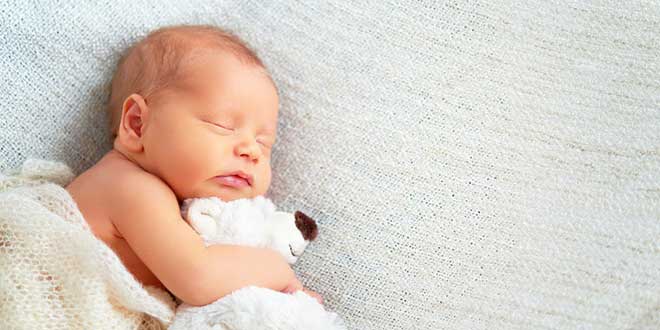
After bub arrives, women often find their hair shedding and want to find solutions.
So, why does hair loss occur, and what can you do about it?
Pregnancy comes with lots of discomfort (sore joints, snoring and those weird food cravings!), but there are a few little wins that help keep you going. One of those is potent estrogen and progesterone levels (many times higher than usual) can give women’s hair and skin that famous pregnancy “glow”. So you might have swollen ankles, but at least you have shiny, gorgeous hair!
The hair cycle has four stages, but during pregnancy, hair enters one stage and stays there. Can you guess which one?
- Growth
- Rest
- Fall
- Regrowth
If you guessed growth…gold star! During pregnancy, excess estrogen encourages hair to grow faster and shed less.
Almost immediately following labour and birth, estrogen and other hormone levels crash (which will surprise nobody who has experienced that emotional rollercoaster after giving birth!). The sudden drop in estrogen can cause large numbers of follicles to stop growing and rest. However, hair doesn’t fall out immediately but after a rest period of 2-4 months.
Couple this with the lack of sleep, potential nutritional stress, and the demands of caring for a newborn, and a perfect storm for hair changes are in place.

A lush head of hair is one of the very few bonuses in pregnancy, thanks to estrogen levels rising.
What can you do about hair loss after baby?
If you are worried about an impending drain-clogging hair storm, there are a few simple tips to minimize the impact of postpartum hair loss. Most cases of postpartum hair loss are completely reversible, and these tips may help reduce the severity.
1. Be kind to your hair
Your follicles are in their most fragile state when resting. Be gentle with your hair when brushing, washing and drying. Also, try to avoid tight hairstyles and invest in a silk pillow to ensure your hair isn’t pulled out in your sleep.
2. Add volume and fortify
Boost the appearance of your hair by using volumising and texturising products, preferably clean and natural, with added ingredients such as keratin for fortification and baobab to provide hydration. A good quality dry shampoo can also boost volume and texturise.
3. Eat well
Looking after a new baby and potentially breastfeeding can affect the body’s energy! To avoid disrupting hair growth, ensure you eat a balanced diet (as much as possible) with plenty of protein, leafy greens, fruits and vegetables.
4. Try to relax
While relaxing with a newborn may not be easy, especially as a first-time parent, you should be mindful to take some relaxing time out just for yourself. Gentle exercise, such as modified post-natal yoga, can also help reduce stress levels.
5. Get nutritional support
It’s not always easy for a new or growing family to prepare good, balanced meals or even eat at regular times after the arrival of a baby, particularly in the early months. Consider taking one of the many post-natal supplements to help your body get the nutrients it needs. Always ask your Doctor for advice before starting any oral supplementation.
6. Change your style
Opt for a shorter, easy-to-manage hairstyle when the baby arrives. Shorter hair can be styled to hide thinner hair, but it will also help when the new hair starts to grow. New hairs will appear as fly-aways, so a short hairstyle will help the newer hairs blend with the remaining hair, and they can grow out together.
7. Look after your hair cycle
While some hair changes are inevitable for many women, there is a natural technology that can help keep the hair cycle healthy.