
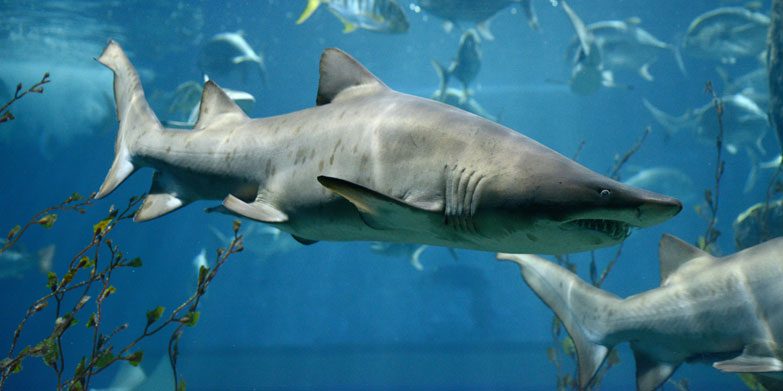
After four shark incidents in just 48 hours this January—including a tragic fatality—every Sydney parent is thinking about how to keep their families safe in the water. Marine ecologist Lawrence Chlebeck shares the facts about shark risk in our local waters, practical safety tips you can use immediately, and important conversations to have with your kids this summer.
With four shark incidents, including a tragic fatality, occurring in the space of just 48 hours last month, sharks are on everyone’s minds, especially here in Sydney. And it’s left everyone asking many questions.
Surely this pulse of shark-human interactions is unprecedented, right?
And we know why it happened?
We do know how to reduce the risk of shark bite to best protect our families and our community, right?
And surely the government is doing whatever it can to help reduce that risk?
Thankfully, the answer to most of these questions is ‘yes’. But, while the NSW Government has made good progress growing a comprehensive drone and tracking surveillance system that helps to reduce the risk of shark bite, they’ve made no progress on a plan to remove redundant shark culling nets, which have been proven to do little for swimmer safety. In addition, more could be done to thoroughly educate swimmers about the risk they assume.
In tandem with these efforts, you can do your part to reduce the risk of shark bite by knowing a few key pieces of information about sharks and shark behaviour and by having regular and effective conversations with your kids about sharks. This can, in turn, help reduce the impact on marine wildlife, including dolphins, turtles, and whales.
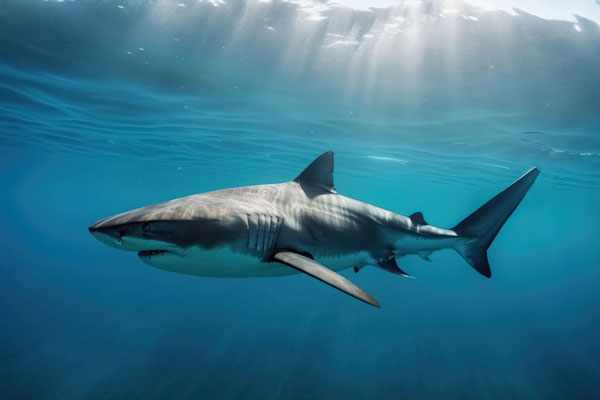
How great is the risk of getting bitten by a shark in NSW waters?
The volume of media and reporting on shark bites has had a long and significant effect, leading us to believe that shark bites are far more likely than they actually are. Even after the recent string of incidents this January, it’s important to remind ourselves that shark bites are actually very rare.
From 2000 to 2025, there were 110 unprovoked shark incidents in Australia. That’s an average of 22 shark incidents per year. (Ref: 1)
Comparing that with an average of 281 drownings per year or an average of 37,000 serious road injuries per year, sharks are very low on the list of risks posed to Australians on a daily basis. But while these numbers help provide some perspective on the risk, the string of events this January reminds us that the possibility of a shark bite needs to be taken seriously.
The Facts: Sharks in Sydney
Sydney-siders are lucky enough to live in one of the most beautiful cities in the world, and we enjoy spotting some of the abundance of marine life that inhabits our nearby oceans and estuaries. While we rejoice at spotting a pod of dolphins at Palm Beach or a turtle at Fairlight, there’s a whole ecosystem of other marine life that goes about its business in our world-renowned harbour and around the deeper waters slightly further from the beach.
That, of course, includes sharks. While most are harmless species like Port Jacksons and wobbegongs, our waters are also home to the three species responsible for most bites on humans:
- Great white sharks
- Tiger sharks
- Bull sharks
While great whites and tigers are found in the open sea and show some seasonality (tiger sharks are more likely to be around in the summer, while white sharks prefer cooler water, and are more common in the winter) It is bull sharks that are characterised by their use of harbours, estuaries and inshore waterways.
Bull sharks follow warm waters and inhabit Sydney Harbour during the summer months, from around November through March. Heavy rainfall and the associated runoff and murky water bring small fish into the harbour and nearshore areas, and the bull sharks follow. The combination of warm water temperatures and unusually heavy rainfall can create conditions in which bull sharks are not only present but also alert to potential feeding opportunities. This phenomenon led to the unprecedented and tragic events that occurred this January.
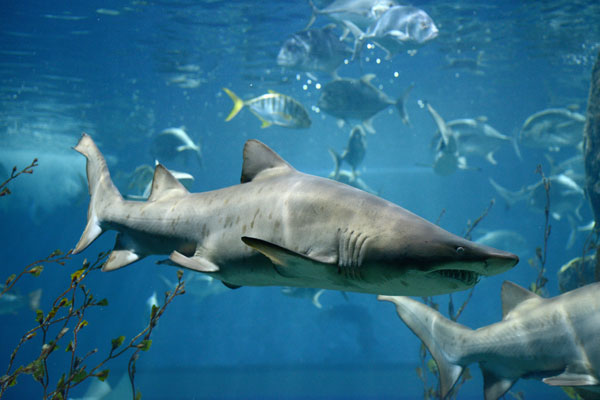
Bull Shark
Reducing the risk of shark attacks
Thanks to extensive shark research over the last few decades, we have learned a great deal about their behaviour. Here are the top tips for minimising your chance of an interaction with a shark:
- Avoid the ocean after heavy rain
- Avoid murky or low-visibility water
- When swimming in the Harbour, use swimming enclosures
- Avoid swimming at dawn, dusk, and at night
- Avoid swimming near active wildlife, which indicates schooling fish (fish jumping, birds diving, etc)
- Always swim with a buddy
- Avoid swimming near fishing activity because they will be using bait and throwing discards
- If you see a large shark when in the water, the most important thing to do is remain calm. Keep your eyes on the shark and move calmly towards a way out of the water.
By following these tips, you’re doing your part in making ourselves and our communities safer in the water. While beachgoers do their bit, successive NSW governments have invested and implemented new technologies that can effectively reduce the risk of shark bite further, including:
- Drone surveillance that can detect large sharks before they become a danger
- SMART drumlines, which allow large sharks to be tracked and relocated offshore
- Listening stations that detect tagged sharks that come within 500m
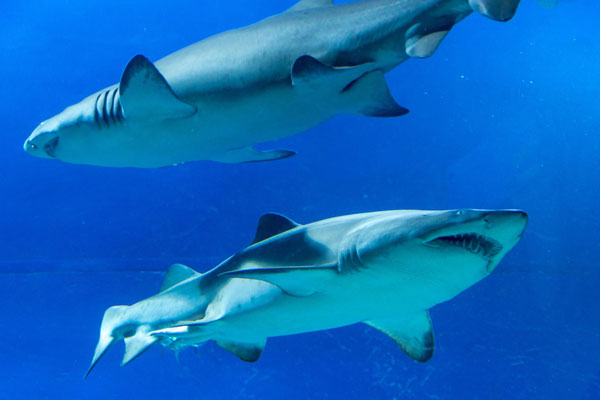
Tiger Sharks
What can the NSW Government do better to reduce the risk posed by sharks?
Despite the NSW Government’s progress in implementing the above, there are two other major ways to improve our approach to shark-bite risk: proactive public education and the end of the use of shark-culling nets.
Proactive Public Education
Proactive public education about bushfire and extreme heat risks is provided—things like fire hazard warnings on roadsides, in the media, or via text messages. At Humane World for Animals Australia, we’re urging the NSW Government to adopt similar tools to keep the public informed more promptly, with clear messaging about heavy rainfall events and, where applicable, urging people to stay out of the harbour and the ocean.
Remove Shark Culling Nets
Shark culling nets have been installed at 51 beaches each summer along the NSW coastline since the 1930s, including the ocean beaches between Palm Beach and Manly. These nets are not barriers to the open sea, like the swimming enclosures that you might see in calm waters at Clontarf or Northbridge. The shark culling nets at ocean beaches are short spans of net that dangle from buoys in the open water and do not even reach the ocean floor. At only 150m in length and 6m high, set in 10-12 m of water, they provide a false sense of security.
Beaches are far longer than this, meaning these shark nets are like a ping pong net on a football field. Sharks can easily swim around, over and under them.
These nets – as opposed to swimming enclosures in the harbour – are designed to entangle and drown large animals, and they therefore kill dolphins, turtles, whales, and rays, in addition to sharks. Carcasses of marine animals are regularly pulled from shark nets with large bites taken from them. This means the dead and dying wildlife entangled in the shark culling nets are actually attracting sharks closer to popular beaches.
Removing shark-culling nets from ocean beaches would benefit both public safety and marine wildlife.
How do I talk to my kids about sharks?
It’s important that children understand the risk without creating undue fear or anxiety. When it comes to sharks, balancing fascination with safety is key to fostering a healthy respect and helping them learn to make good decisions about water use.
Here are some potentially helpful lines that you could use when chatting with your kids
- Sharks are crucial for a healthy ocean; they maintain the balance of the ocean’s food chain.
- They’ve been around for 450 million years, before flowers and even dinosaurs!
- Humans are not intentionally on a shark’s menu—most sharks avoid us, and most bites are accidents.
The largest shark (the whale shark) eats the smallest creatures in the sea… plankton!
Activities/approaches to familiarise kids with sharks
- Read books, watch documentaries or educational videos – they can help remove the perception of sharks being “monsters” rather than animals
- Debunk myths – shark bites are extremely rare, you’re more likely to be hurt by a cow!
- Teach them the safety tips above for use in the ocean.
About Lawrence Chlebeck

Lawrence Chlebeck
As a marine ecologist specialising in conservation, research and outreach, Lawrence has spent years working to engender sustainable relationships between wildlife, the ocean and the public. He has worked as a field biologist, environmental consultant, naturalist and project coordinator. Lawrence’s work at Humane World for Animals focuses on shark welfare and protection, specifically on culling and control programs, overexploitation, and international protection.
References
- The Australian Shark Incident Database, Taronga Conservation Society Australia.
- Road Trauma Australia 2024 – Statistical report on fatalities and hospitalised injuries from road crashes in Australia (September 2025). Australian Government, Department of Infrastructure, Transport, Regional Development, Communications, Sport and the Arts
- Royal Life Saving Society – Australia (2025). National Drowning Report 2025, Sydney, Australia.
Want more fun this summer?
- Five Sydney rock pools for kids
- Six pretty picnic spots by the water
- 10 Best Shaded Playgrounds around Sydney’s North Shore
- Best things to do on a hot day in Sydney with kids
- 8 North Shore Hidden Gems you’ve probably driven past (but should actually visit)